
Real Estate Opportunities in the Era of Smart Cities
Introduction
In the dynamic landscape of urban development, India is embracing a revolutionary concept—Smart Cities. Driven by technological advancements and a vision for sustainable urban living, Smart Cities are redefining the real estate sector. In this blog, we will explore the concept of Smart Cities in India, the key features that make them unique, and the vast opportunities they present for real estate investors and residents alike.
Understanding Smart Cities:
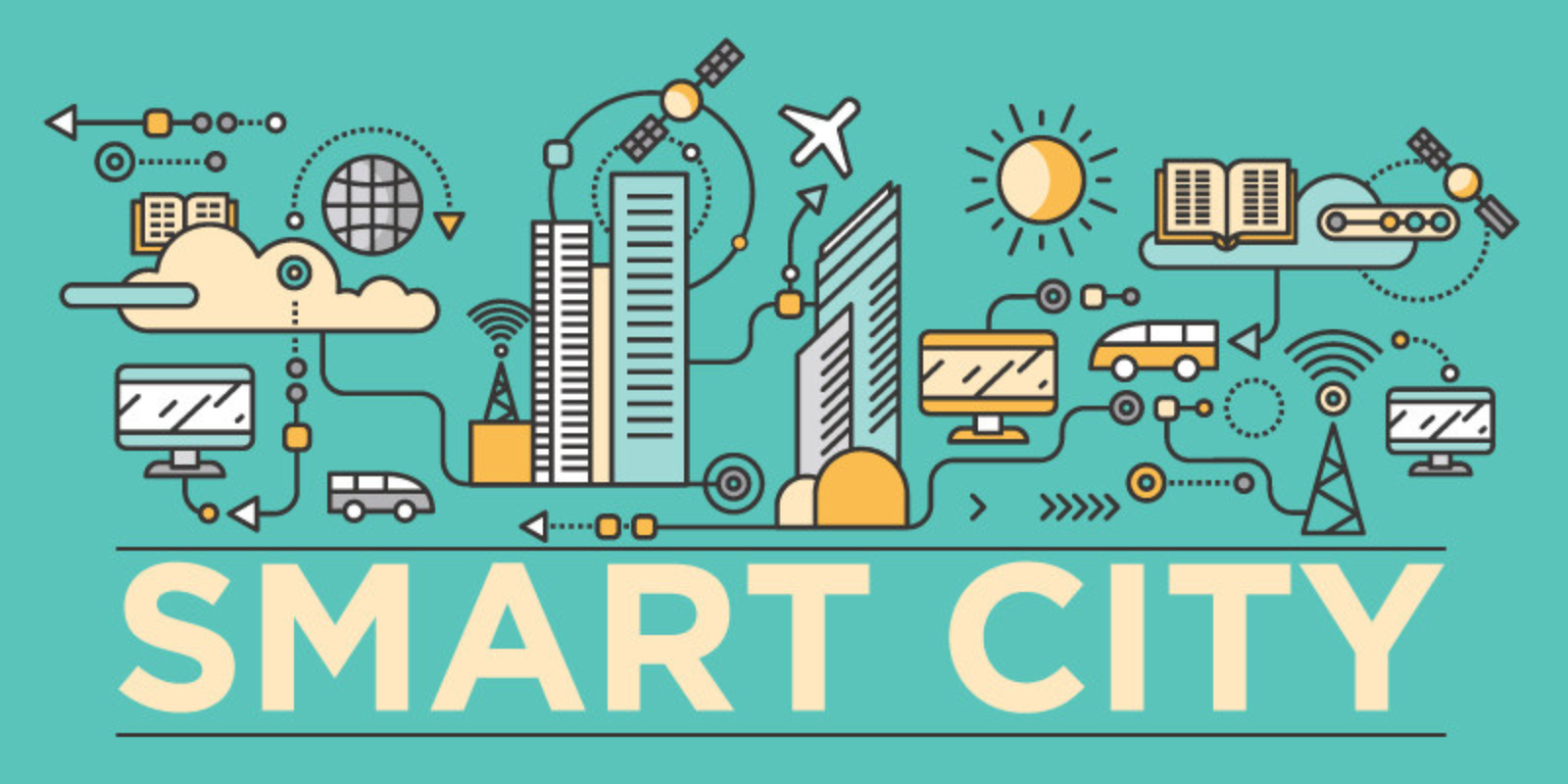
Smart Cities are urban areas that leverage technology and data-driven solutions to enhance the quality of life for residents, improve infrastructure efficiency, and promote sustainable development. These cities integrate various smart technologies, including the Internet of Things (IoT), artificial intelligence (AI), and advanced data analytics, to optimize urban services and enhance citizen experiences.
Key Features of Smart Cities in India:
Digital Infrastructure: Smart Cities boast robust digital infrastructure, including high-speed internet connectivity and widespread use of smart devices. This connectivity forms the backbone for various smart applications and services.
Sustainable Development: Sustainability is a core focus of Smart Cities, incorporating eco-friendly practices in construction, waste management, and energy consumption. Green buildings, renewable energy sources, and efficient waste disposal systems contribute to a healthier environment.
Smart Governance: Digital governance platforms facilitate efficient and transparent city administration. Online services, e-governance initiatives, and citizen engagement platforms ensure smooth communication between the government and residents.
Integrated Transport Systems: Smart Cities emphasize integrated and sustainable transportation solutions. This includes smart public transportation, intelligent traffic management, and the promotion of electric and eco-friendly modes of commuting.
Smart Buildings and Infrastructure: Real estate in Smart Cities is characterized by smart buildings equipped with energy-efficient systems, advanced security features, and integrated smart home technologies. Intelligent infrastructure enhances overall city functionality.
Real Estate Opportunities in Smart Cities:
Innovative Commercial Spaces: Smart Cities offer a conducive environment for innovative and tech-driven businesses. The demand for modern office spaces, co-working facilities, and technology hubs is on the rise, creating opportunities for real estate developers and investors.
Residential Spaces with Smart Amenities: The real estate landscape in Smart Cities includes residential projects designed for modern living. These projects incorporate smart home technologies, green spaces, and community amenities, catering to the preferences of the tech-savvy urban population.
Retail and Entertainment Hubs: With a focus on creating vibrant urban centers, Smart Cities present opportunities for the development of retail and entertainment hubs. Smart shopping complexes, entertainment zones, and recreational spaces contribute to the overall livability of these cities.
Infrastructure Development Projects: The construction of smart infrastructure, including intelligent roads, energy-efficient utilities, and waste management systems, opens up avenues for real estate investment. Infrastructure projects form the backbone of Smart Cities and attract investors looking for long-term growth.
Conclusion
Smart Cities in India are not just a vision but a tangible reality reshaping the urban landscape. The fusion of technology, sustainability, and innovation presents a myriad of opportunities for real estate developers and investors. As these cities evolve, they not only redefine urban living but also pave the way for a smarter, more connected future for India. Investing in real estate within Smart Cities is not just a financial decision; it’s a strategic move towards contributing to and benefiting from the future of urban development.